By Josh Pratt
November 25, 2026
Fungal growth inside a home or commercial building threatens structural materials, personal furnishings, and indoor air quality. When excess moisture lingers behind drywall, beneath flooring, or inside damp basements after plumbing leaks, roof seepage, or seasonal storms, microscopic spores multiply across porous surfaces and spread through shared ventilation pathways. Property owners need proven strategies to carry out thorough mold remediations that eliminate active colonies, protect building materials, and stop future outbreaks before damage escalates across adjacent rooms.
Addressing fungal contamination requires far more than wiping visible stains from painted walls, concrete blocks, or bathroom tile. Effective cleanup combines precise moisture detection, strict workspace isolation, targeted spore extraction, and restorative cleaning of affected carpets, upholstery, and air systems. Following established industry standards protects building occupants from airborne irritants, preserves indoor comfort, and safeguards the long-term condition of residential and commercial spaces throughout every season of the year.
Identify Mold and Risks
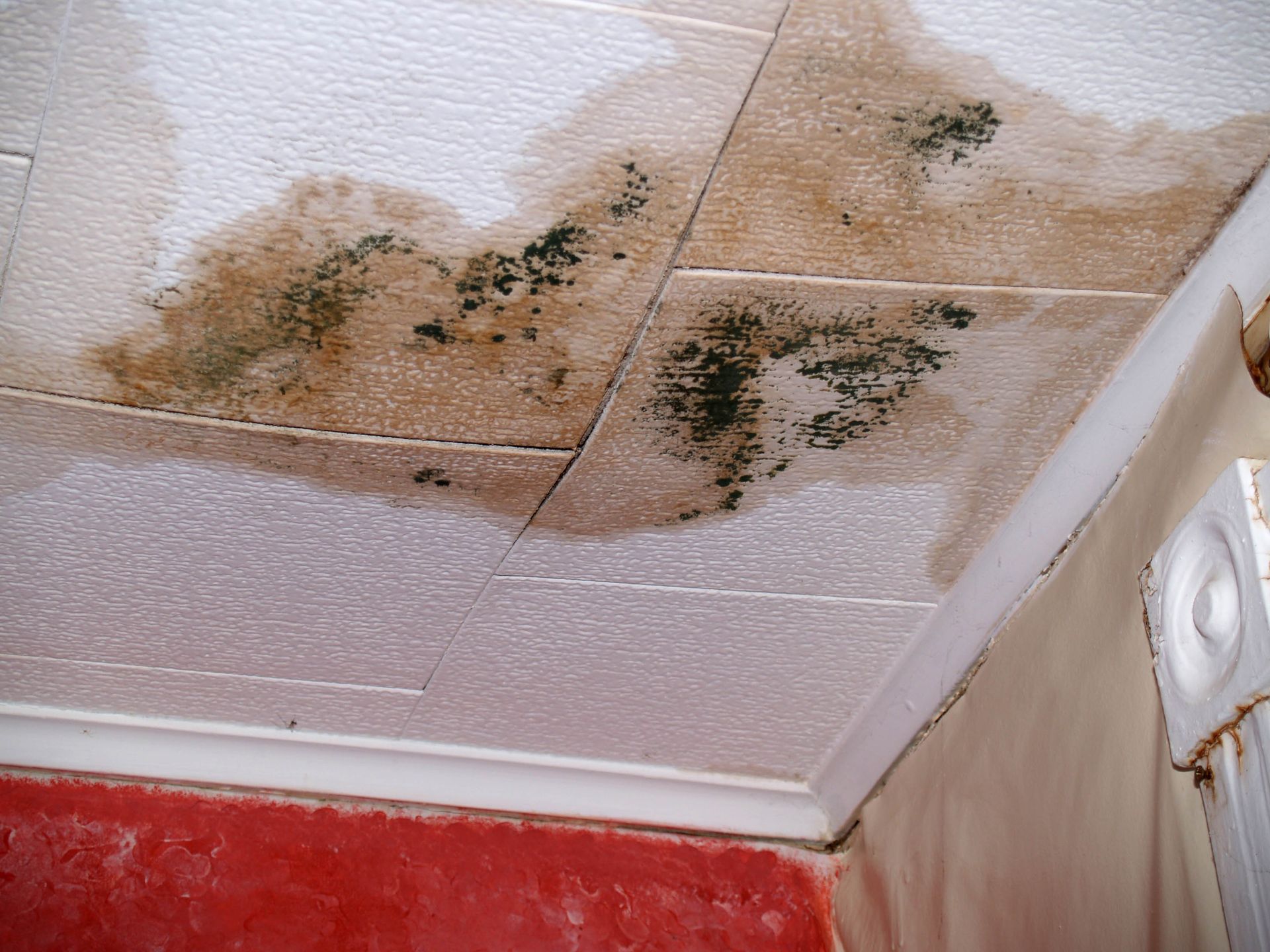
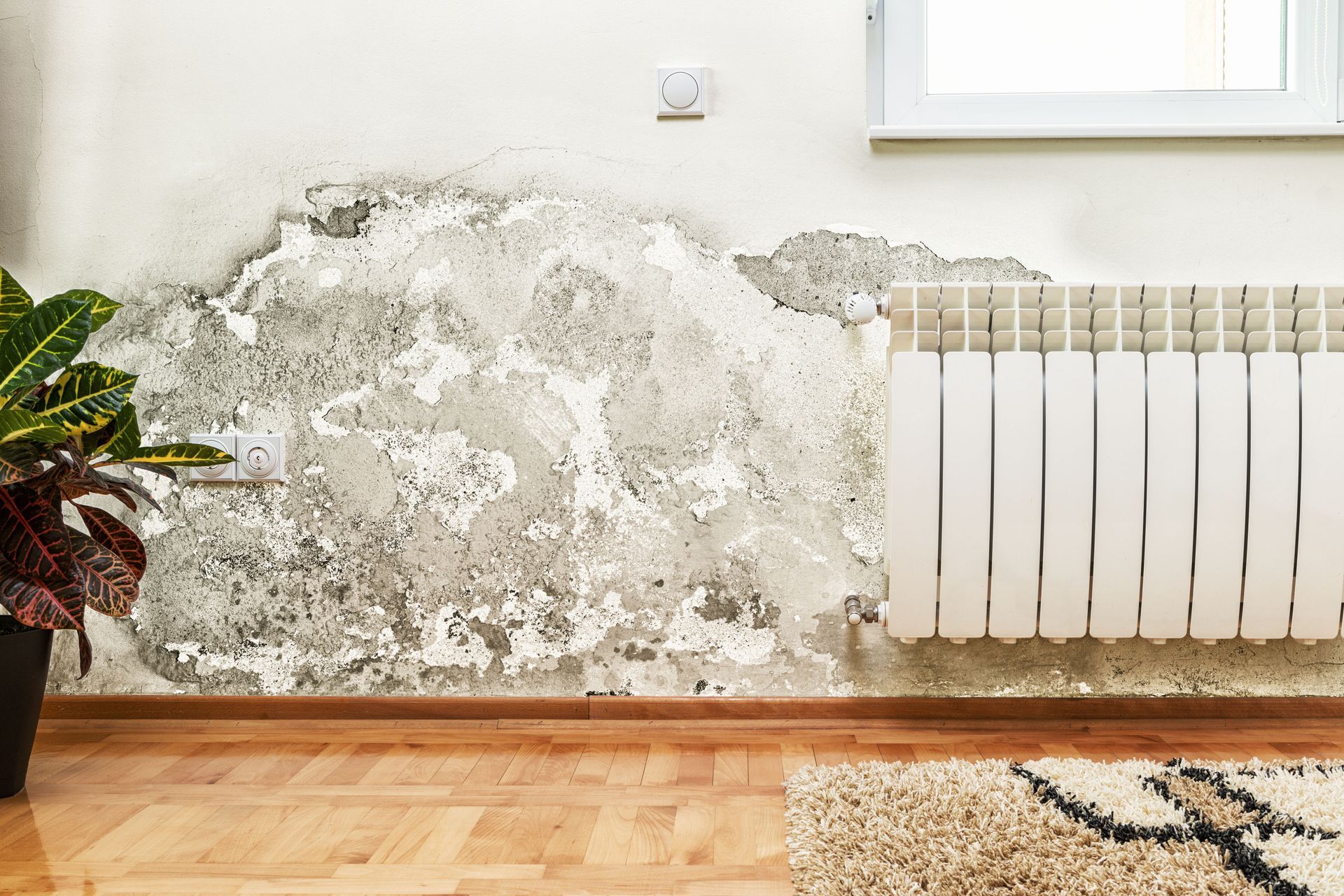
Mold is a resilient fungus that thrives in warm, humid environments and feeds on organic building materials such as wood framing, drywall paper, carpet padding, and upholstery fabric. Common indoor species include Cladosporium, Penicillium, and Aspergillus, each releasing microscopic spores and microbial volatile organic compounds into the surrounding air. Because these lightweight spores travel through indoor air currents, high indoor humidity, poor bathroom ventilation, and unnoticed plumbing leaks in kitchens, laundry rooms, and basements create prime conditions for rapid colonization across basements, attics, and crawl spaces.
Exposure to airborne spores triggers allergic reactions, sinus congestion, coughing, headaches, and respiratory distress, with young children, older adults, and immunocompromised individuals facing heightened health vulnerability. Left untreated, active fungal colonies also weaken wooden subfloors, stain carpets and draperies, and leave persistent musty odors throughout a building. Recognizing these health and property hazards underscores why prompt mold remediations remain vital for safeguarding indoor environments and preventing structural deterioration.
Assess Damage and Moisture
Every successful cleanup begins with a systematic inspection to locate visible colonies, hidden water intrusion, and elevated indoor humidity levels. Certified technicians rely on pinless moisture meters, thermal imaging cameras, and digital hygrometers to trace dampness behind drywall, under carpeting, and around window frames without causing unnecessary demolition. Pairing visual checks for water stains and musty odors with targeted indoor air quality sampling reveals airborne spore concentrations and maps the full boundaries of contamination before restoration work starts.
Thorough documentation during this initial evaluation creates a clear roadmap for accurate mold remediations across residential and commercial properties. Recording moisture readings, photographing affected rooms, and cataloging damaged belongings also streamlines communication with property insurance providers when sudden water losses or plumbing failures occur. Establishing clear baseline conditions ensures restoration crews target the root water source rather than treating surface symptoms alone or leaving hidden moisture pockets behind.
Contain Spores and Zones
Disturbing dry fungal colonies without physical barriers sends millions of microscopic spores drifting into clean rooms and ventilation ducts. Before removing any damaged material, restoration crews seal off affected spaces using heavy-duty polyethylene sheeting, painter tape, and zippered entry flaps. Negative air machines equipped with high-efficiency HEPA filtration pull contaminated air out of the isolated work zone, trapping airborne particles and preventing cross-contamination across hallways, stairwells, and adjacent living or working areas.
Strict worker safety and waste-handling procedures serve as the backbone of safe mold remediations by keeping airborne spores trapped inside the work area. Technicians wear NIOSH-approved respirators, disposable protective coveralls, sealed goggles, and nitrile gloves while double-bagging discarded debris inside thick plastic disposal bags prior to exiting. Decontaminating tools, vacuum hoses, and footwear at designated transition zones ensures spores never travel into unaffected rooms or settle onto clean household surfaces.
Clean Surfaces and Ducts
Once containment barriers are secure, technicians combine mechanical extraction with eco-friendly, pet-safe antimicrobial treatments to eliminate fungal growth without leaving harsh chemical residues behind. Non-porous surfaces like metal, glass, sealed concrete, and hardwood respond well to HEPA vacuuming, damp wiping, and targeted botanical sanitizers. Porous materials saturated with deep fungal roots, including soaked drywall, ruined insulation, and degraded carpet padding, cannot be salvaged and must be removed and discarded under controlled containment conditions.
Inspecting and cleaning interconnected building systems is critical during comprehensive mold remediations so hidden colonies do not circulate spores through HVAC vents. Professional air duct cleaning clears settled dust, allergens, and fungal debris from supply and return lines, while specialized hot-water extraction and upholstery cleaning restore salvageable area rugs, carpets, and fabric furniture. Treating every affected surface and airflow pathway leaves the indoor environment clean, fresh, and sanitized for families, employees, and pets.
Restore Structures and Air
Eliminating active fungal colonies will not prevent recurrence unless underlying water intrusion and indoor humidity problems receive immediate attention. Water damage restoration teams extract standing water, deploy commercial dehumidifiers and high-velocity air movers, and dry structural framing cavities back to normal moisture levels. Restorative cleaning specialists then sanitize salvaged surfaces, deodorize affected rooms, and prepare spaces for any needed drywall or trim replacement so the property returns to a clean, healthy, and odor-free condition.
Controlling indoor relative humidity through balanced airflow, functioning bathroom and kitchen exhaust fans, and routine seasonal maintenance secures the lasting success of mold remediations and prevents dampness from returning. Applying mold-resistant primers and sealants on vulnerable basement walls, crawl spaces, and utility rooms adds extra protection against future condensation. Ongoing visual checks around plumbing fixtures, foundation walls, and rooflines help property owners catch minor leaks before fungal growth resumes inside damp wall cavities or subfloors.
Compare Professionals and DIY
Attempting to scrub away fungal growth with household bleach or store-bought sprays often worsens contamination rather than solving it. Surface wiping disturbs active colonies, releasing millions of microscopic spores into the air and spreading growth into clean rooms, carpets, and HVAC ductwork. Without commercial containment barriers, HEPA filtration, and moisture-detection gear, do-it-yourself cleanup leaves damp framing cavities and hidden colonies untouched. Trained specialists execute complete mold remediations using proven containment protocols and eco-friendly, pet-safe treatments that eliminate fungal roots at the source.
Formal training and recognized industry certification also separate qualified restoration crews from general building maintenance labor. According to the U.S. Bureau of Labor Statistics, 65.2% of workers in building and grounds cleaning and maintenance roles did not face a minimum formal education requirement in 2024. Working with a licensed, insured, and IICRC-certified restoration company that never relies on subcontractors guarantees vetted, skilled technicians handle every step of inspection, containment, cleaning, and restoration with round-the-clock emergency availability when sudden water damage strikes.
Protecting a home or commercial building from fungal damage requires a disciplined sequence of moisture detection, workspace containment, deep cleaning, and structural drying. When property owners understand how excess humidity and hidden water leaks fuel spore growth, they can act fast to protect indoor air quality, personal belongings, and valuable building materials. Combining consistent moisture prevention habits with thorough restorative cleaning keeps residential and commercial spaces healthy across every season for families, employees, and guests.
Whether you are dealing with an urgent water intrusion, post-storm dampness, or suspected fungal growth behind your walls, well-planned mold remediations protect property value, indoor comfort, and occupant health. Reach out to our team whenever you notice musty odors, ceiling water stains, or damp basement surfaces so our technicians can inspect the affected space before spores spread. Contact us at Fresh Start Cleaning & Restoration today to schedule your free in-person estimate and let our certified team restore your home or business.