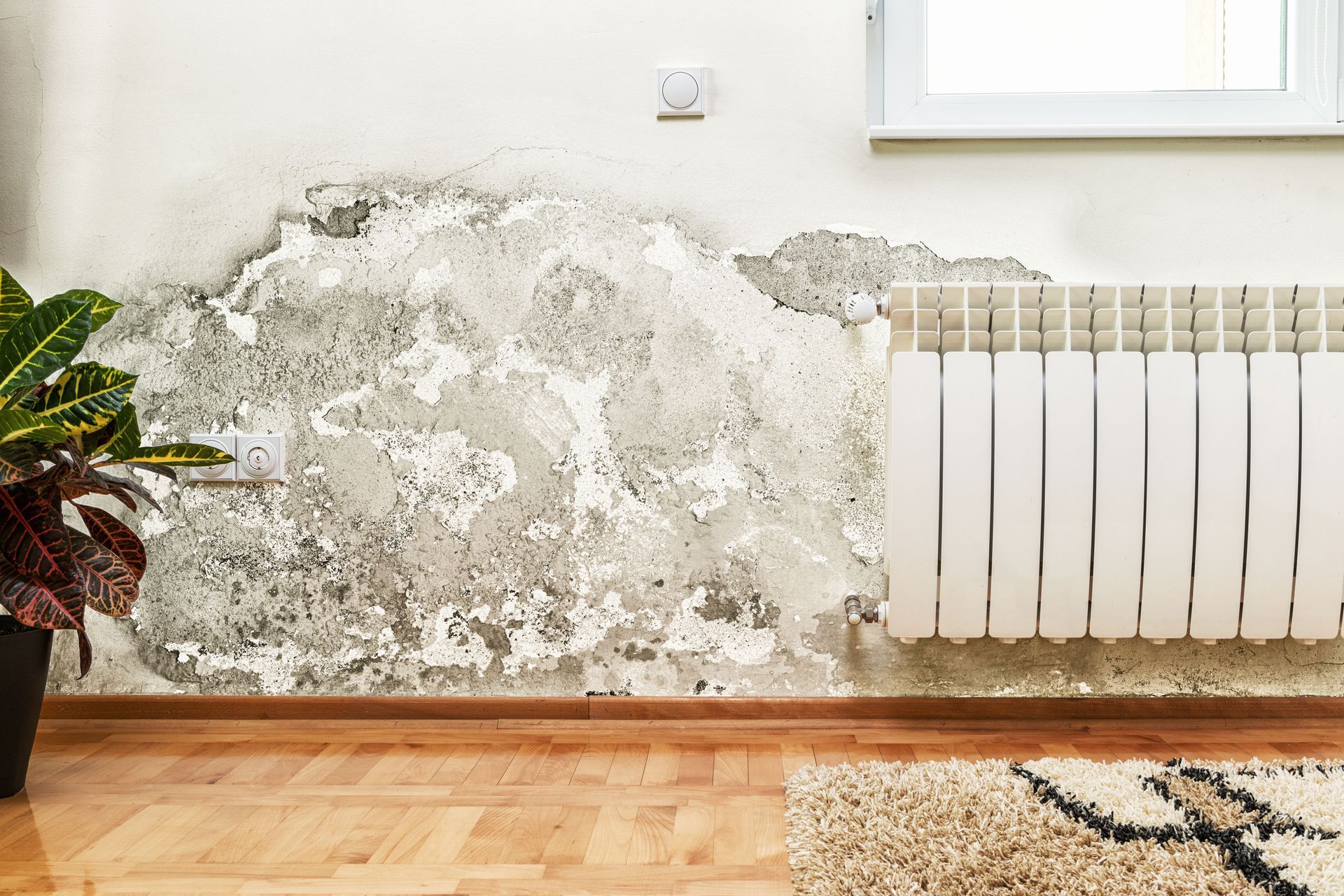
Discovering unwanted fungal growth inside a residential property or commercial building presents a serious concern for building owners and occupants. Fungal spores exist naturally in outdoor environments, but when indoor moisture levels rise due to hidden pipe leaks, roof damage, high humidity, or flooding, spores rapidly colonize porous building materials. Beyond causing unsightly surface discoloration and unpleasant musty odors, uncontrolled indoor fungal infestations compromise structural elements and negatively impact indoor air quality.
Addressing indoor contamination requires far more than surface scrubbing with household cleaners. Executing professional mold remediation ensures that fungal colonies are safely contained, thoroughly removed, and prevented from returning to threaten your living spaces.
Understanding the underlying science behind fungal growth helps property managers spot early warning indicators before minor moisture problems escalate into extensive structural contamination. Fungal organisms thrive in warm, dark environments where organic food sources, such as drywall paper, wooden framing, carpet fibers, and ceiling tiles, remain damp over extended periods. Attempting to scrub active colonies without proper containment equipment risks dispersing microscopic spores throughout HVAC systems and surrounding clean areas, compounding contamination issues. Implementing a comprehensive, multi-step containment and removal strategy preserves indoor air quality, restores structural integrity, and safeguards the long-term health of your indoor environment.
Identifying Hidden Sources of Indoor Moisture
Locating and eliminating moisture sources represents the foundational step in any successful environmental restoration project. Fungal spores cannot take root or multiply without continuous moisture, making moisture detection crucial before beginning physical cleanup efforts. Restoration specialists utilize advanced diagnostic tools, including thermal imaging cameras and digital moisture meters, to trace hidden water intrusion behind drywall, beneath hardwood flooring, and inside ceiling cavities.
Resolving underlying plumbing leaks, improving attic ventilation, repairing roof flashing, and installing commercial dehumidifiers stops active fungal expansion at its source. Addressing moisture intrusion early prevents liquid from seeping deep into wooden wall studs and subfloors, where fungal hyphae penetrate deeply into organic fibers. Cutting off the water supply guarantees that once physical removal operations conclude, dormant fungal spores will not re-establish colonies across newly restored building surfaces.
Establishing Physical Containment and Pressure Controls
Isolating contaminated zones prevents airborne spores from migrating into unaffected living spaces during physical cleaning and material demolition. Restoration technicians construct physical containment barriers using heavy-duty polyethylene sheeting, sealed entrance doorways, and negative air pressure systems. Sealing off supply and return air vents prevents microscopic spores from entering central heating and cooling ductwork, which would otherwise distribute contaminants throughout the entire structure.
To maintain negative air pressure inside containment zones, technicians deploy specialized air scrubbers fitted with high-efficiency particulate air filtration units. These units continuously pull air from inside the containment zone, filter out microscopic spores, and exhaust clean air outdoors. According to the U.S. Bureau of Labor Statistics, 87.8% of building and grounds cleaning workers received on-the-job training in 2024. Proper field training ensures that technicians understand how to maintain negative pressure controls, preventing cross-contamination and protecting surrounding indoor environments during heavy material removal.
Removing Contaminated Building Materials Safely
Handling heavily affected porous materials requires careful removal and disposal procedures to protect technician health and prevent spore release. Non-restorable porous items, such as water-logged drywall, saturated carpet padding, insulation batts, and ceiling tiles, must be carefully cut away and bagged inside sealed disposal containers within the containment zone. Technicians wear specialized personal protective gear, including full-face respirators, disposable protective coveralls, and chemical-resistant gloves, to prevent personal exposure to high spore concentrations.
For non-porous and semi-porous surfaces, such as solid wood framing, concrete foundations, and brickwork, specialized cleaning protocols are employed. Technicians utilize high-efficiency vacuuming, media blasting, or wire brushing techniques to lift surface fungal roots without destroying underlying structural framing. Executing meticulous mold remediation protocols ensures that every trace of fungal growth is extracted safely, leaving structural frameworks clean, stable, and ready for sanitization.
Cleaning and Disinfecting Surrounding Surfaces
Eliminating microscopic fungal residues requires applying specialized anti-microbial solutions, biocide sprays, and botanical fungicides across all surfaces within the containment zone. Standard household detergents or chlorine bleach often fail to eliminate deep root structures in porous materials, leading to rapid regrowth once ambient humidity levels fluctuate. Professional anti-microbial treatments penetrate deeply into wood grain and concrete pores, neutralizing active fungal cells and inhibiting future spore germination.
Following chemical treatment, technicians perform exhaustive surface wiping using microfiber cloths and high-efficiency particulate air vacuums. Every horizontal and vertical surface inside the containment area is cleaned repeatedly to capture settled dust, dead fungal fragments, and lingering environmental debris. Thorough surface sanitization restores hygienic conditions across remaining structural framing, ensuring that new building materials can be installed over clean, contamination-free substrates.
Filtering and Deodorizing Indoor Air Supplies
Restoring indoor air quality extends beyond physical surface cleaning to address airborne spores and lingering musty odors trapped within closed rooms. Specialized air scrubbers and industrial ozone-free hydroxyl generators operate continuously to neutralize airborne organic compounds, eliminate musty smells, and purify circulating air masses. Hydroxyl generators utilize ultraviolet light technology to split water molecules into hydroxyl radicals, which naturally decompose airborne odor molecules and biological contaminants without leaving chemical residues.
Additionally, cleaning heating and cooling ductwork removes accumulated dust and fungal spores that settled inside ventilation lines prior to containment setup. Fogging duct networks with non-toxic, anti-microbial sealants prevents residual spores from adhering to interior duct walls. Comprehensive air filtration guarantees that once containment barriers are dismantled, building occupants breathe fresh, clean, and completely purified indoor air across all living quarters.
Implementing Long-Term Preventative Moisture Controls
Sustaining long-term indoor air quality requires ongoing moisture monitoring and proactive environmental controls across your property. Even after thorough professional cleanup, returning indoor humidity levels above optimal thresholds can trigger dormant outdoor spores to colonize susceptible building surfaces once again. Installing digital hygrometers allows building managers to monitor relative humidity continuously, keeping indoor moisture levels within recommended ranges throughout seasonal weather changes.
Deploying whole-house dehumidification systems, installing vapor barriers across dirt crawlspaces, improving basement drainage systems, and ensuring proper bathroom exhaust fan ventilation protect vulnerable building materials from moisture accumulation. Partnering with certified specialists for routine environmental inspections and periodic mold remediation ensures that minor moisture issues are corrected swiftly, preserving property values and maintaining healthy living environments for years to come.
Successfully overcoming indoor fungal contamination requires a disciplined, scientific approach that combines moisture control, physical containment, safe material extraction, chemical sanitization, and continuous air filtration. Attempting to manage extensive growth with basic surface cleaners often worsens contamination, putting building materials and indoor air quality at risk. Entrusting your property to certified restoration professionals guarantees that fungal infestations are eliminated at the root, protecting structural integrity and restoring total peace of mind for your household.
At Fresh Start Cleaning & Restoration, we are deeply committed to protecting your property, indoor air quality, and family health through comprehensive environmental restoration and cleaning solutions. Our team of certified restoration specialists brings deep technical expertise, state-of-the-art containment equipment, and meticulous attention to detail to every residential and commercial project we manage across our community. We take immense pride in identifying hidden moisture intrusion, establishing secure negative pressure zones, safely extracting contaminated materials, and applying advanced anti-microbial treatments that prevent recurring growth. Furthermore, our crew prioritizes transparent communication and thorough post-cleaning verification, ensuring your living or working space is fully restored to a clean, safe, and healthy condition. Contact us today to schedule your comprehensive site evaluation and discover how our dedicated team can deliver a true fresh start for your property.